
Potty training is a significant milestone for toddlers and parents alike.
It can be a challenging task, but with the right tools, it can be a smooth and successful transition.
One of the most effective tools to aid in potty training is books.
Potty training books for toddlers can help parents explain the process in a fun and engaging way that captures their child’s interest.
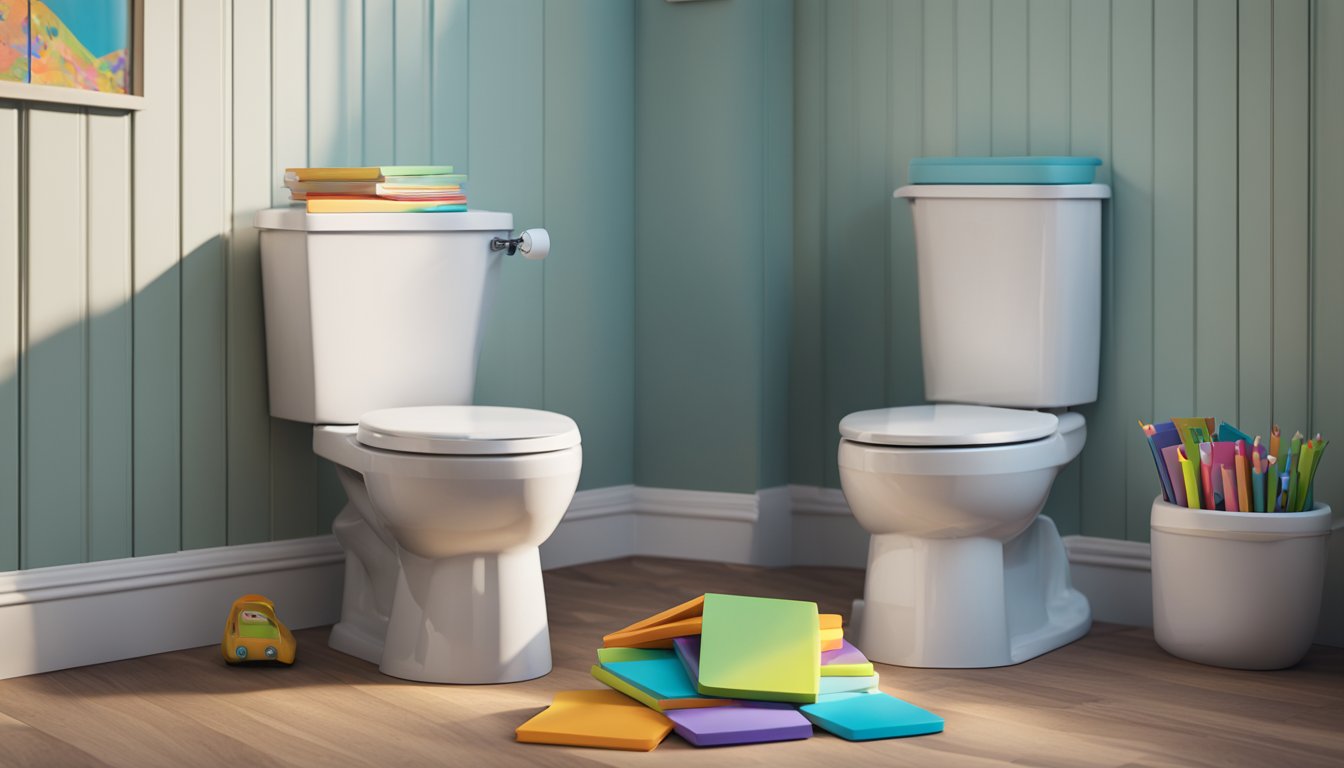
Potty training books for toddlers come in different formats, from simple picture books to interactive books with sounds and flaps.
These books can help parents introduce the concept of potty training to their toddlers in a way that is easy for them to understand.
Additionally, these books can help toddlers develop an interest in potty training, making the process less daunting for them.
Understanding Potty Training
Potty training is a significant milestone in a toddler’s life, marking their transition from diapers to independent toileting. It is a process that requires patience, consistency, and motivation from both the toddler and caregiver.
Before starting the potty training process, it’s crucial to ensure that your toddler is ready. Signs of readiness include showing interest in the potty, being able to communicate their needs, and having some degree of control over their bladder and bowel movements.
When it comes to potty training techniques, there are several approaches to choose from, including the “child-led” method and the “parent-led” method. The child-led method involves following the toddler’s cues and allowing them to take the lead in the process, while the parent-led method involves setting a schedule and taking a more proactive role in the training.
Motivation is a key factor in successful potty training. Offering incentives such as stickers or small prizes can help motivate your toddler to use the potty. Additionally, using educational resources such as potty training books can make the process more engaging and enjoyable for your child.
When starting potty training, it’s important to establish a schedule and stick to it. Consistency is key in reinforcing good habits and helping your toddler feel more confident and comfortable using the potty.
Communication is also essential during the potty training process. Encouraging your toddler to communicate their needs and feelings can help them feel more in control and empowered. Additionally, using a flushing sound or other sensory cues can help reinforce the connection between using the potty and the act of flushing.
Finally, it’s important to remember that every child is different, and there is no set timeline for potty training. Some toddlers may become potty trained quickly, while others may take longer. It’s important to be patient and supportive throughout the process, and to celebrate your child’s progress and achievements along the way.
Choosing the Right Potty Training Book
Choosing the right potty training book for your toddler can be a daunting task, but it is an important milestone in their development. Potty training books can help your child understand the process of using the toilet and make the transition from diapers to underwear easier. Here are some things to consider when choosing a potty training book:
Simple and Interactive
Look for potty training books that are simple and interactive. Board books with lift-the-flaps or colorful illustrations can engage your child and make the learning process fun. Books with rhyming text and relatable characters can also help your child understand the concept of using the potty.
Step-by-Step Instructions
Choose a book that provides step-by-step instructions on how to use the potty. Books with clear and simple language can help your child understand what to do and what to expect during the potty training process. Look for books that also address common fears and concerns that your child may have.
Educational and Silly
Potty training books can be both educational and silly. Some books use humor and silly characters to engage your child and make the learning process fun. Others use educational content to teach your child about the body and the process of using the toilet.
Classic and Modern
There are both classic and modern potty training books available. Classic books like “Everyone Poops” and “Once Upon a Potty” have been popular for decades and are still relevant today. Modern books like “Oh Crap! Potty Training” and “Potty Training in 3 Days” offer new approaches and strategies for potty training.
Gender-Specific or Gender-Neutral
Potty training books can be gender-specific or gender-neutral. Books like “The Potty Book for Girls” or “Dino Potty” may appeal more to specific genders, while books like “P is for Potty!” and “Let’s Go to the Potty!” are gender-neutral and can be used for both boys and girls.
In conclusion, choosing the right potty training book for your toddler can make the potty training process easier and more enjoyable for both you and your child. Consider the style, content, and approach of the book when making your decision.
Potty Training for Girls and Boys
Potty training is a big milestone for toddlers, and choosing the right potty training books can help make the process easier and more enjoyable for both parents and children. Here are some of the best potty training books for girls and boys:
Potty Time for Boys
“Potty Time for Boys” is a fun and engaging book that helps boys learn how to use the potty. The book features colorful illustrations and a simple, easy-to-understand text that is perfect for young children. The book also includes tips for parents on how to make potty training a positive experience for their child.
Once Upon a Potty
“Once Upon a Potty” is a classic potty training book that has been helping parents and children for over 30 years. The book is available in versions for both boys and girls, and features charming illustrations and a gentle, encouraging tone that helps children feel comfortable and confident as they learn to use the potty.
Potty Superhero: Get Ready for Big Boy Pants!
“Potty Superhero: Get Ready for Big Boy Pants!” is a fun and empowering book that helps boys make the transition from diapers to big boy underpants. The book features a superhero theme that is sure to appeal to young children, and includes tips for parents on how to help their child succeed at potty training.
Big Girl Panties
“Big Girl Panties” is a charming and humorous book that helps girls make the transition from diapers to big girl panties. The book features colorful illustrations and a playful, upbeat tone that helps girls feel confident and excited about potty training.
Dino Potty
“Dino Potty” is a fun and interactive book that helps boys learn how to use the potty. The book features a dinosaur theme that is sure to appeal to young children, and includes a special button that makes a flushing sound when pressed.
Overall, these potty training books can help parents and children navigate the sometimes challenging process of potty training with confidence and success.
Overcoming Potty Training Challenges
Potty training can be a challenging time for both parents and toddlers. Here are some common challenges that parents may face during the potty training process and some tips on how to overcome them.
Accidents Happen
Accidents are a normal part of the potty training process. It’s important to stay positive and not get frustrated with your child. Instead, encourage your child to keep trying and remind them that accidents happen. You can also try using training pants or underwear that are designed to absorb accidents.
Dealing with Poop
Many children have a fear of pooping on the potty. One way to help your child overcome this fear is to talk to them about how poop is a natural part of their body and it’s okay to go on the potty. You can also try reading books about poop and potty training to help your child understand the process.
Encouragement is Key
Positive reinforcement is an important part of potty training. Praise your child for their efforts and successes, even if they are small. You can also use rewards such as stickers or small treats to motivate your child to keep trying.
Resistance and Anxiety
Some children may resist potty training or experience anxiety around the process. It’s important to be patient and not force your child to use the potty if they are not ready. Instead, try to create a positive and supportive environment and encourage your child to try at their own pace.
Nighttime Potty Training
Nighttime potty training can take longer than daytime training. It’s important to be patient and not get discouraged if your child has accidents at night. You can try limiting fluids before bedtime and waking your child up to use the bathroom during the night.
Understanding Anatomy
Teaching your child about their anatomy can help them understand the