
Finding nutritious meals that kids will actually eat can feel like an impossible task for many parents. Between picky eating habits and busy schedules, feeding children healthy food often becomes a daily struggle that leaves families frustrated at mealtime.
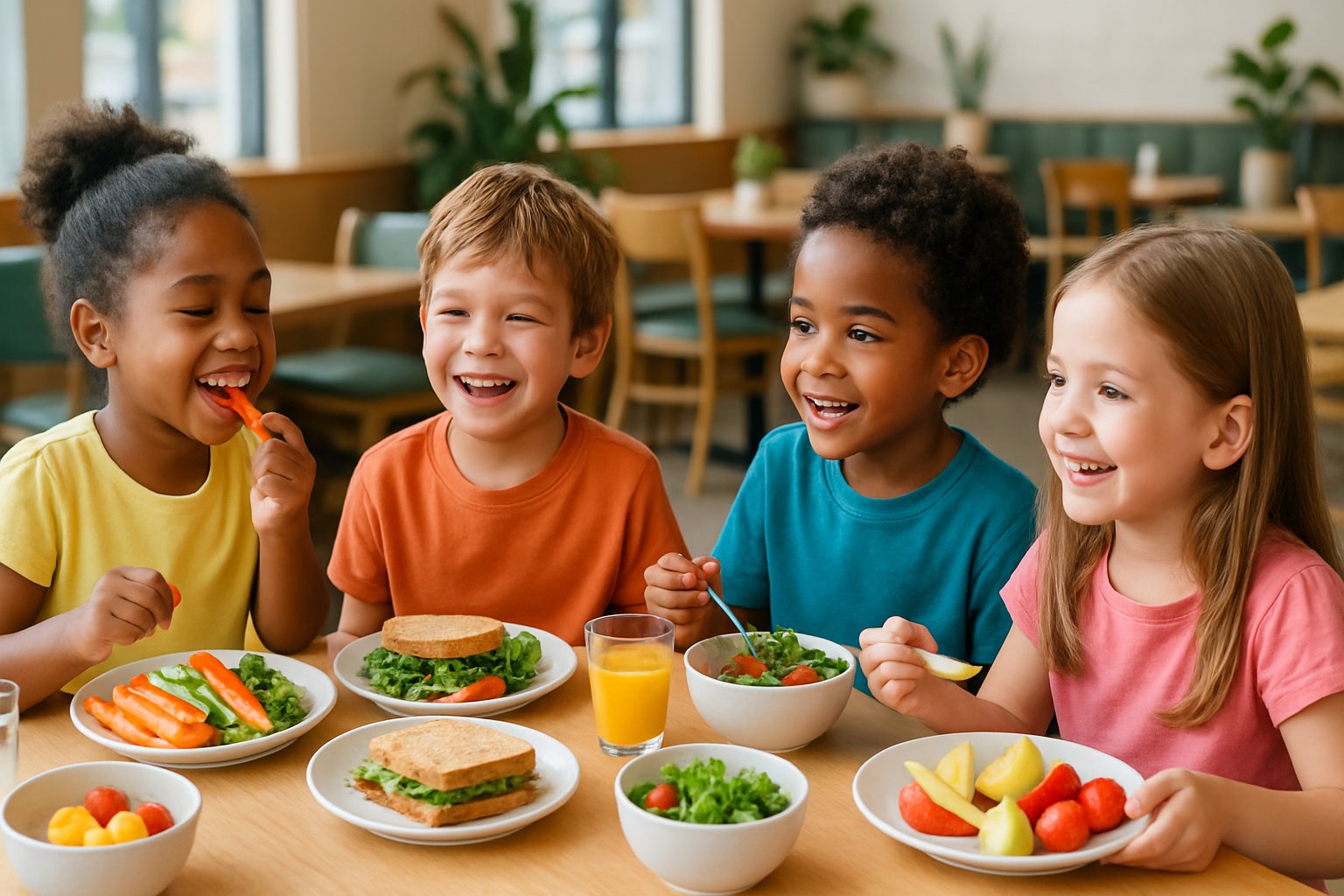
The best kids’ menus in America now feature creative approaches that make vegetables, whole grains, and lean proteins appealing to young taste buds while maintaining the flavors children love. Restaurants across the country have discovered that healthy menu options for children can be both nutritious and delicious when prepared with the right techniques and presentation.
Parents no longer need to choose between convenience and nutrition when dining out or planning meals at home. Kid-friendly recipes that are easy and healthy prove that wholesome ingredients can create satisfying meals that please both children and adults.
Key Takeaways
- Healthy kids’ menus use creative presentation and familiar flavors to make nutritious foods appealing to young eaters
- Simple ingredient swaps like whole grain bread and low-fat dairy can transform classic comfort foods into healthier options
- Interactive meal experiences and colorful vegetables help engage children and reduce mealtime battles
Why Healthy Kids’ Menus Matter
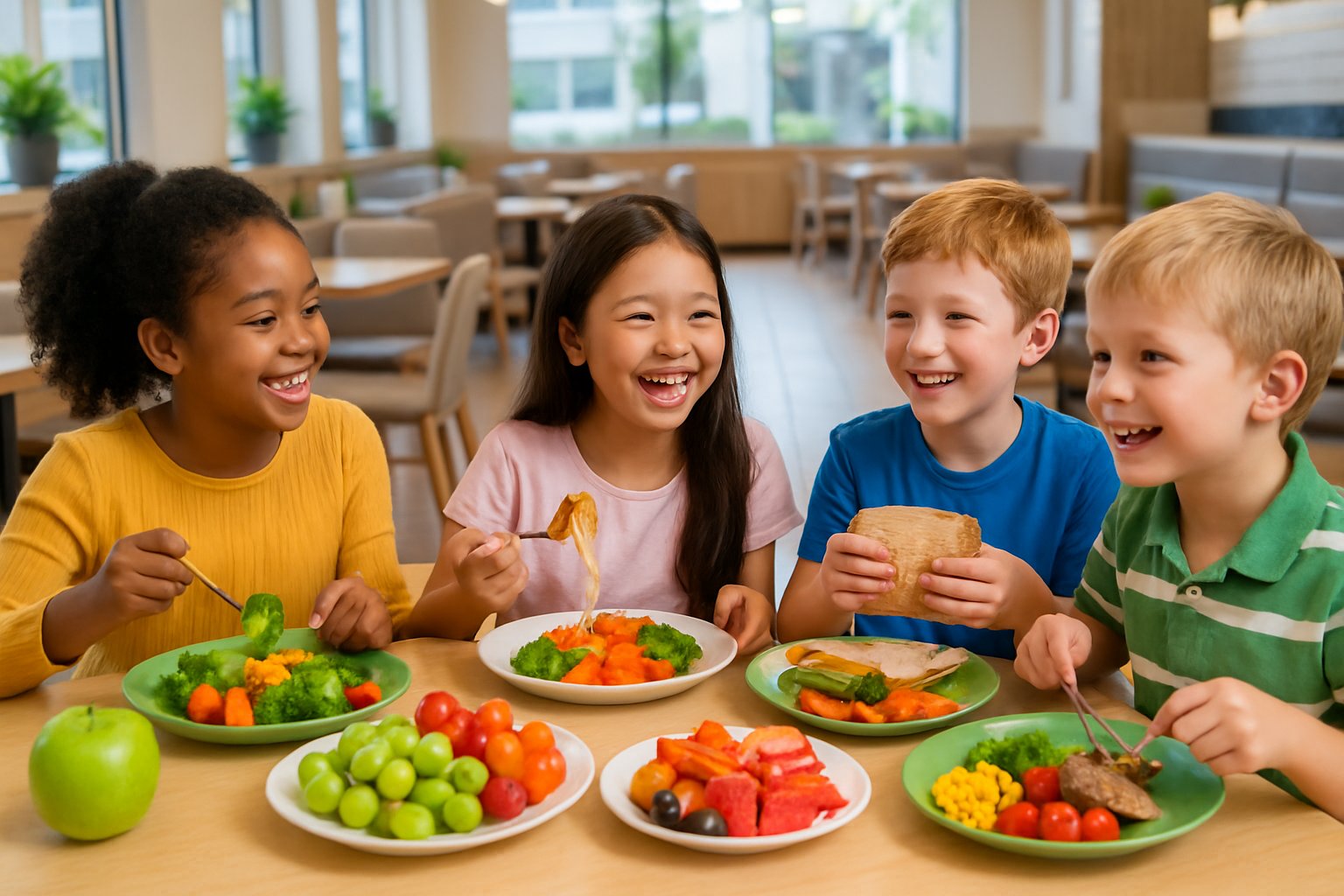
Growing bodies require proper nutrition to develop correctly, yet restaurant food accounts for about 25 percent of children’s calorie intake. Parents face daily struggles with feeding choices while healthy eating directly impacts how well children learn and grow.
Nutritional Benefits for Growing Children
Children need specific nutrients during their growth years. Their bodies are building bones, muscles, and brain tissue at rapid rates.
Fruits provide essential vitamins and antioxidants that support immune function. They also contain natural sugars that give kids energy without the crash that comes from processed foods.
Plant-based protein sources like beans, nuts, and quinoa offer complete nutrition. These foods provide amino acids needed for muscle development and brain function.
Healthy restaurant meals can fill nutritional gaps when prepared properly. Many kids miss important nutrients when they only eat fried foods and sugary drinks at restaurants.
The calcium in dairy products builds strong bones. Iron from lean meats and vegetables prevents fatigue and supports brain development.
Whole grains provide steady energy throughout the day. They help children focus better and avoid energy spikes and crashes.
Challenges Faced by Parents and Caregivers
Parents struggle to find restaurants that serve nutritious options for children. Most kids’ menus focus on chicken nuggets, mac and cheese, and other processed foods.
Picky eaters create additional stress for families dining out. Many children refuse to try new foods or vegetables when eating at restaurants.
Time constraints make restaurant visits appealing for busy families. However, parents today are looking for value without sacrificing quality, health, or variety.
Budget concerns also influence food choices. Healthy options often cost more than traditional kids’ menu items, putting pressure on family finances.
Limited menu choices frustrate parents who want better options. Many restaurants still rely on the same basic items without offering healthier alternatives.
The Role of Healthy Food in Academic and Physical Performance
Proper nutrition directly affects how well children perform in school. Blood sugar levels from healthy foods stay more stable throughout the day.
Children who eat balanced meals show better concentration in classrooms. They can focus longer on tasks and retain information more effectively.
Physical development depends on adequate protein and calcium intake. Strong bones and muscles develop when children receive proper nutrition consistently.
Energy levels remain steady when kids eat whole foods instead of processed options. This helps them stay active and engaged in physical activities.
Brain development continues rapidly during childhood years. The right nutrients support memory formation and cognitive skill development that lasts into adulthood.
What Makes a Kids’ Menu Truly Healthy?
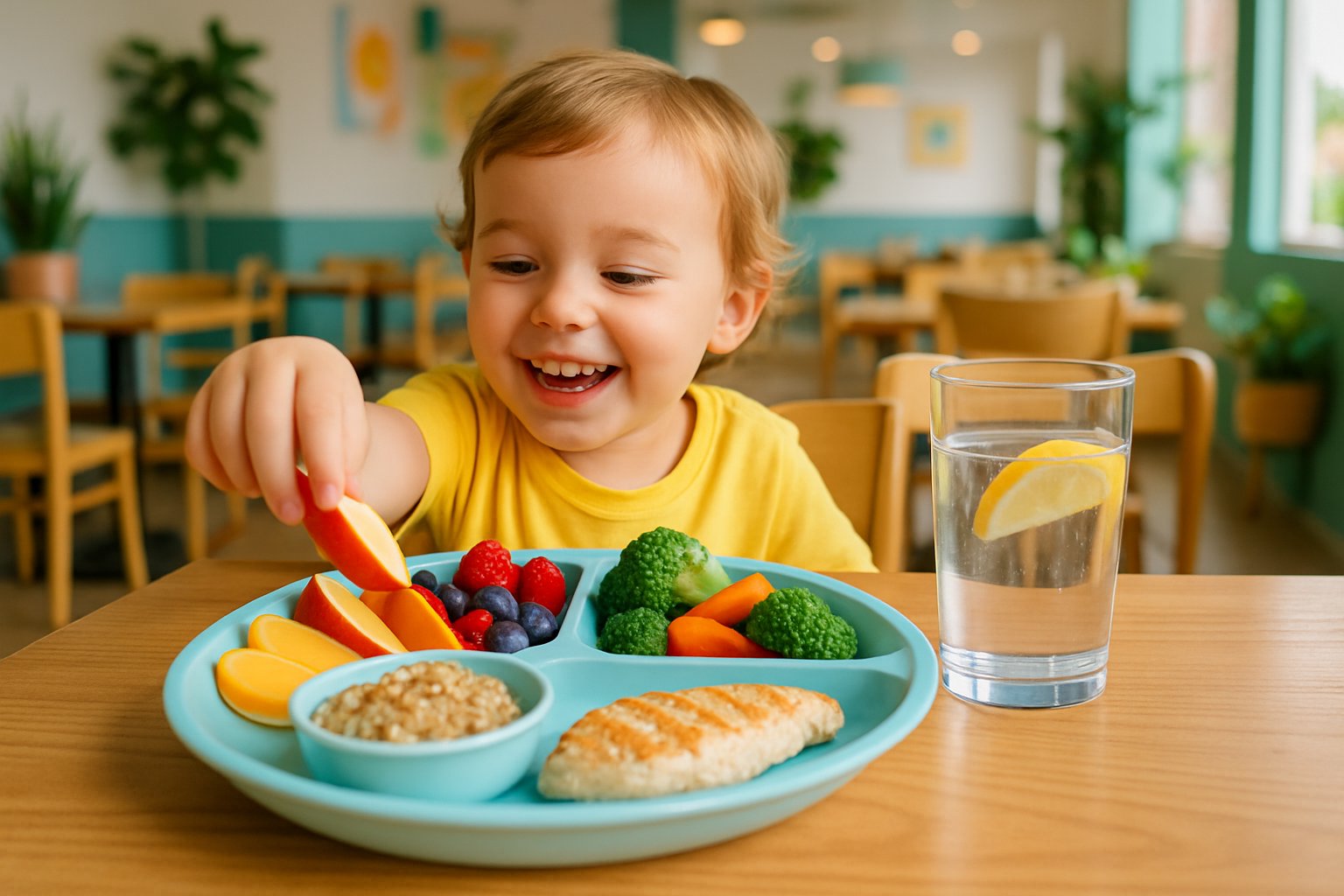
A truly healthy kids’ menu balances essential nutrients with age-appropriate portions while making nutritious foods taste appealing to young diners. The best menus focus on whole foods, limit added sugars, and present healthy options in ways that excite children about eating well.
Key Nutrients to Include
Children need specific nutrients to support their growing bodies and developing brains. Protein helps build muscles and keeps kids full longer.
Good protein sources include grilled chicken, fish, beans, and eggs. These foods provide steady energy without blood sugar spikes.
Calcium and vitamin D are critical for bone development. Plain yogurt offers both nutrients plus probiotics for digestive health.
Whole grains provide fiber and B vitamins. Brown rice, quinoa, and whole wheat pasta give kids sustained energy for learning and playing.
Healthy fats support brain function. Avocados, nuts, and olive oil help children absorb vitamins and feel satisfied.
Iron prevents fatigue and supports concentration. Lean meats, spinach, and fortified cereals help meet daily iron needs.
Essential vitamins come from colorful fruits and vegetables. Carrots provide vitamin A for eye health. Berries offer vitamin C for immune support.
Portion Sizes and Age-appropriate Options
Age-appropriate portions prevent overeating while ensuring adequate nutrition. Restaurant menus should consider reducing calories, fat, and sodium to help children make smart choices.
Toddlers (2-3 years) need smaller portions than school-age children. A quarter cup of vegetables or fruit equals one serving.
Preschoolers (4-5 years) can handle slightly larger portions. Half a sandwich or a small cup of soup works well.
School-age children (6-12 years) need more calories but still benefit from controlled portions. A palm-sized piece of protein fits their needs.
Restaurants can offer half-portions of adult entrees instead of separate kids’ meals. This approach introduces children to diverse flavors and ingredients.
Visual cues help parents judge appropriate amounts. Using smaller plates makes portions look more substantial while controlling intake.
Balancing Flavor with Nutrition
Making healthy foods taste good requires creativity and smart preparation methods. Menu design and language can affect how children feel about their food choices.
Natural sweeteners like honey can replace refined sugar in marinades and dressings. Honey adds flavor while providing antioxidants.
Roasting vegetables brings out natural sweetness. Roasted carrots taste much sweeter than raw ones, making them more appealing to young palates.
Familiar preparations help children accept new foods. Serving vegetables in pasta sauce or smoothies introduces nutrients without resistance.
Herbs and mild spices add flavor without overwhelming young taste buds. Cinnamon, basil, and garlic powder enhance foods naturally.
Fun presentations make healthy foods more attractive. Cutting vegetables into interesting shapes or arranging colorful foods creatively catches children’s attention.
Combining sweet and savory elements appeals to developing palates. Apple slices with cheese or yogurt with berries satisfy different taste preferences.
Top Healthy Kids’ Menu Items in America
Many restaurants now offer grilled chicken with steamed vegetables, butternut squash lasagna, and chickpea-based dishes that kids actually enjoy. The best options combine familiar flavors with nutrient-dense ingredients like spinach, avocado, and plant-based proteins.
Veggie-Packed Mains
Restaurants with healthier kids menus feature creative ways to sneak vegetables into main dishes. Butternut squash lasagna appears on several menus as a colorful alternative to traditional pasta dishes.
Olive Garden serves cheese ravioli with hidden vegetables in the sauce. Their grilled chicken and broccoli combo provides lean protein alongside green vegetables.
IHOP offers grilled tilapia that appeals to kids who like mild fish. The dish comes with steamed broccoli that retains more nutrients than fried alternatives.
Many establishments now add spinach to mac and cheese or blend it into pasta sauces. This approach maintains familiar tastes while boosting iron and vitamin content.
Macaroni Grill serves beef kabobs with fresh broccoli. This combination delivers only 260 calories and 10 grams of fat per serving.
Plant-based proteins appear more frequently on kids menus. Chickpea salad sandwiches and lentil-based dishes provide fiber and protein without meat.
Better-for-You Sides
Side dishes make the biggest difference in kids meal nutrition. Chain restaurants with improved kids menus now offer fruit and vegetable options instead of just fries.
Chili’s provides several healthy sides including:
- Black beans
- Mandarin oranges
- Corn on the cob
- Seasonal vegetables
Bob Evans offers multiple fruit and vegetable sides. Parents should avoid their glazed carrots and corn dishes due to added sugars and trans fats.
Avocado slices appear as sides at many restaurants. They provide healthy fats that help kids absorb fat-soluble vitamins from other foods.
Claim Jumper stands out for side variety. Their options include roasted vegetables, apple slices with caramel sauce, and frozen grapes that kids love.
Hash browns made with minimal oil offer a compromise between health and kid appeal. Some restaurants bake them instead of deep frying.
Nutritious Snacks and Small Plates
Small plates and snacks help parents control portion sizes while offering variety. Red Lobster serves snow crab legs that are low in calories and fat but high in protein.
Yogurt parfaits combine protein with probiotics. Many restaurants layer plain Greek yogurt with fresh berries and a small amount of granola.
Souplantation & Sweet Tomatoes doesn’t have a separate kids menu but offers kid-friendly salad bar options. Children can choose from colorful vegetables, fruits, and pasta salads.
Fruit cups with no added sugar provide natural sweetness. Apple slices, orange segments, and berry mixes satisfy sweet cravings without empty calories.
Some restaurants offer hummus with vegetable sticks. This combination delivers plant-based protein along with fiber from raw vegetables.
Cheese sticks provide calcium and protein in portions appropriate for small hands. Paired with whole grain crackers, they create a balanced snack.
Kid Favorites with a Healthy Twist
Parents can transform classic comfort foods into nutritious meals without sacrificing taste. Simple swaps like baking instead of frying and adding hidden vegetables make familiar dishes healthier while keeping kids happy.
Healthier Chicken Tenders and Nuggets
Homemade chicken nuggets offer complete control over ingredients compared to processed versions. Parents can use whole chicken breast pieces instead of mystery meat blends.
Coating Options:
- Whole wheat breadcrumbs
- Crushed cornflakes
- Panko mixed with parmesan cheese
- Ground almonds for gluten-free option
Baked chicken tenders with sweet potato fries provide lean protein without deep frying. The chicken stays crispy when coated in whole-wheat breadcrumbs and baked at 425°F for 15-20 minutes.
Air fryers work well for achieving crunch without oil. Kids get the same satisfying texture they love while parents reduce calories and unhealthy fats.
Dipping sauces made from Greek yogurt replace high-sodium ketchup. Mix plain yogurt with herbs, honey mustard, or ranch seasoning for protein-packed alternatives.
Mac and Cheese Makeovers
Traditional mac and cheese gets healthier with simple ingredient swaps. Hidden veggie mac and cheese uses pureed vegetables like carrots, cauliflower, or butternut squash blended into the cheese sauce.
Nutritious Add-ins:
| Ingredient | Benefit |
|---|---|
| Pureed cauliflower | Extra fiber and vitamins |
| Greek yogurt | Added protein |
| Whole grain pasta | Complex carbohydrates |
| Nutritional yeast | B vitamins |
Kids cannot taste the vegetables when they are properly pureed and mixed with cheese. The orange color from carrots or squash looks like regular cheese sauce.
Whole grain pasta provides more fiber than white pasta. Start with half whole grain and half regular pasta to help kids adjust to the texture difference.
Greek yogurt mixed into the cheese sauce adds protein and creates extra creaminess. Use plain yogurt to avoid added sugars that might make the dish too sweet.
Creative Turkey Dishes
Ground turkey serves as a lean protein substitute in many kid favorites. Turkey and spinach meatballs with whole wheat pasta deliver protein without excess fat found in beef versions.
Turkey meatballs stay moist when mixed with breadcrumbs soaked in milk. Finely chopped spinach adds vitamins without changing the familiar meatball taste kids expect.
Turkey Recipe Ideas:
- Turkey meatball subs
- Turkey burgers with hidden vegetables
- Turkey chili with beans
- Turkey tacos with whole grain shells
Veggie-packed sloppy joes combine lean ground turkey with finely chopped vegetables like carrots, bell peppers, and zucchini. The vegetables blend into the sauce and add extra vitamins without kids noticing.
Turkey burgers need moisture since turkey is naturally leaner than beef. Mix in grated zucchini or apple to keep patties juicy while adding nutrients.
Ground turkey works in any recipe calling for ground beef. The mild flavor adapts well to different seasonings and sauces kids already enjoy.
Making Healthy Meals Fun and Appealing
Kids are more likely to eat nutritious foods when they look exciting and taste great. Simple tricks like adding bright colors, tasty dips, and creative presentation can transform healthy eating into an enjoyable adventure.
Colorful Fruits & Veggies Kids Love
Bright colors naturally attract children to healthy foods. Berries like blueberries and raspberries add vibrant purple and red colors to any plate.
Strawberries work well as natural sweeteners in smoothies or cut into fun shapes. Their bright red color makes them appealing finger foods.
Watermelon provides refreshing pink and green colors. Cut it into stars or use cookie cutters for fun shapes that kids enjoy eating.
Carrots offer bright orange color and natural sweetness. Baby carrots work as easy finger foods, while shredded carrots add color to wraps and salads.
Cucumbers provide fresh green color and mild taste. Slice them into rounds or sticks for crunchy snacks that pair well with other colorful vegetables.