
Introducing toddlers to the alphabet can be both fun and educational.
Engaging in letter A activities helps young children develop foundational skills in letter recognition and language.
This introduction not only sets the stage for future literacy development but also sparks curiosity about the world around them.
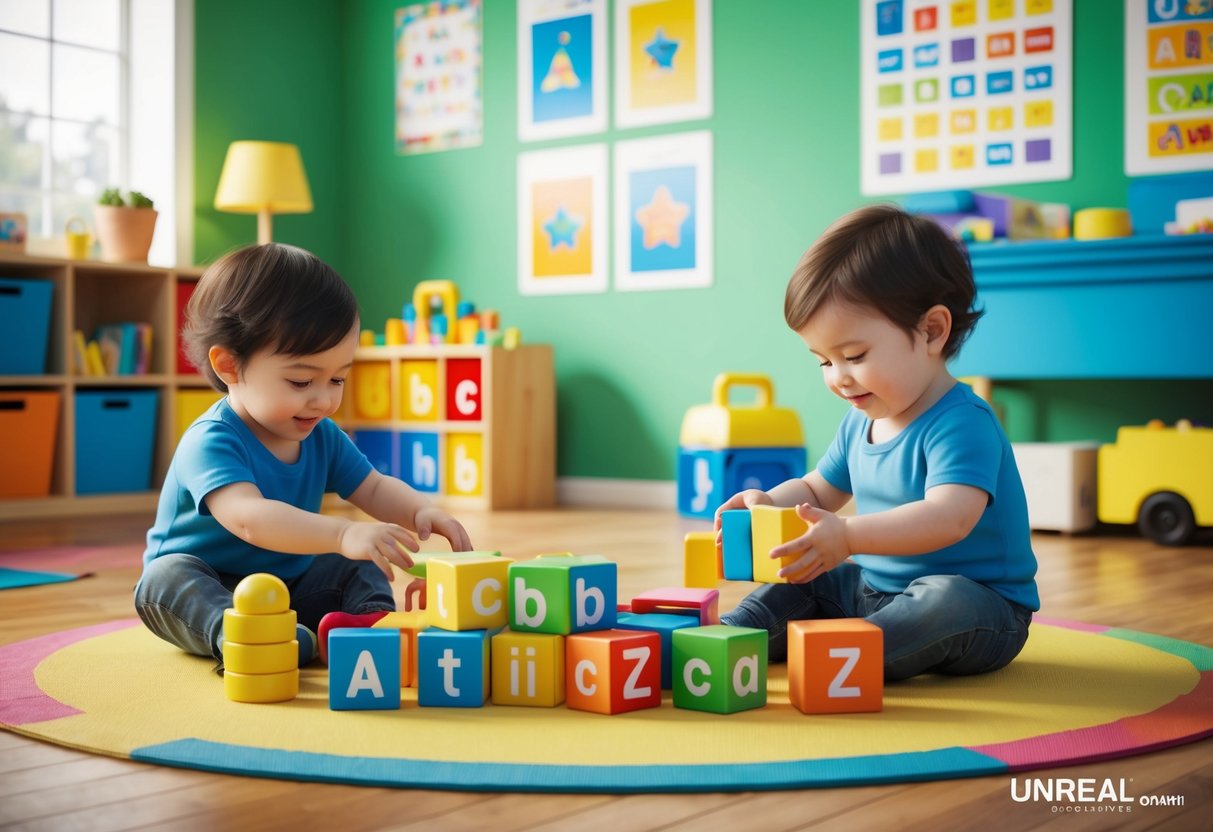
Parents and educators can make learning enjoyable by incorporating sensory activities and crafts that focus on the letter A.
For example, you can try making simple crafts using materials found at home or create an apple-themed lesson to connect with everyday objects. These activities encourage fine motor skills and creativity, benefiting preschool children as they explore new concepts.
Interactive games and activities centered around the letter A promote language development and keep toddlers entertained.
From a “Letter of the Week” curriculum to frequently asked questions, this approach to learning keeps it exciting and informative for both children and their guardians.
Key Takeaways
- Hands-on activities boost letter recognition.
- Sensory play enhances motor skills.
- Fun crafts make learning enjoyable.
The Importance of Letter Recognition
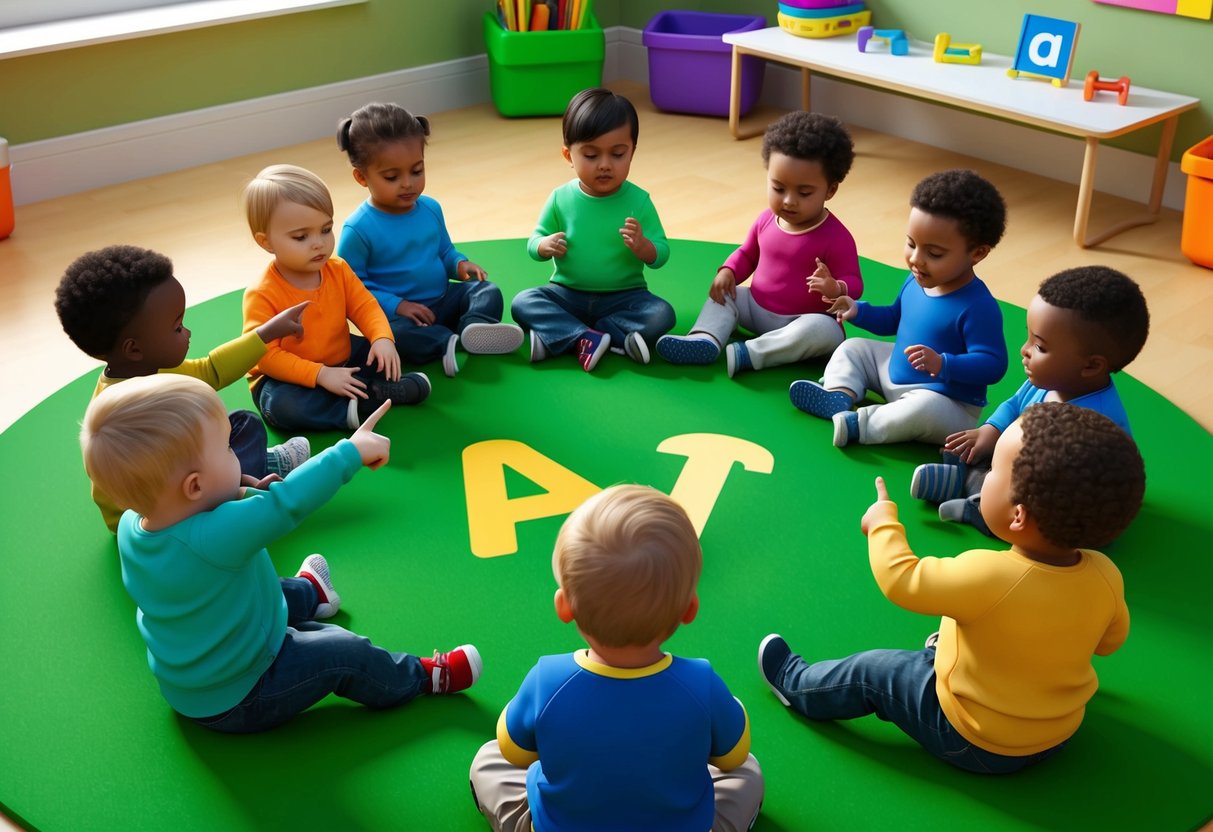
Letter recognition is a key step in a child’s early literacy journey, serving as the foundation for reading and writing.
Recognizing letters, such as the letter ‘A,’ helps with phonics and understanding sounds, which are integral parts of language development.
Understanding Letter ‘A’
The letter ‘A’ is often one of the first letters introduced to toddlers. This is because it appears frequently in many simple words they encounter daily.
Being able to identify the letter ‘A’ allows children to start building connections between letters and sounds, which is crucial for early reading skills.
When toddlers recognize ‘A’, they begin to understand its uppercase and lowercase forms, setting the stage for learning the rest of the alphabet.
Including hands-on activities, like tracing or using letter blocks, can further reinforce their learning.
Such activities help in developing fine motor skills and visual recognition of the letter. Encouraging children to spot ‘A’ in books or on signs during outings makes the learning process engaging and fun.
Essentials of Letter Recognition
Letter recognition is crucial because it opens the door to reading. Children who can easily identify letters are more likely to become strong readers as they grow.
It’s not just about seeing and naming a letter but also knowing the sounds associated with it. This connection between visual and auditory skills enhances word comprehension.
Enabling children to use interactive activities like matching games, alphabet puzzles, and songs helps them grasp these concepts effectively.
Creating a supportive environment at home and in educational settings ensures consistency, helping kids feel confident as they learn.
Parents and teachers play a vital role in facilitating these learning experiences, ensuring that children receive varied and stimulating opportunities to explore letters.
Role of Phonics in Early Literacy
Phonics is an essential component of early literacy, helping children blend letter sounds to form words.
Understanding that ‘A’ represents a specific sound is a vital step in this process.
Phonics instruction helps children link the visual letter with its corresponding sound, making reading smoother and more intuitive.
For preschoolers, simple activities like rhyming games or segmenting words can make this learning fun and memorable.
By practicing phonics, children not only remember individual letters but also start recognizing patterns and combinations in language.
Familiarity with letter sounds aids in developing fluency and easing the transition from recognizing single letters to reading full words and sentences.
Sensory Activities for the Letter ‘A’
Engaging toddlers with sensory activities helps them learn and recognize the letter ‘A’ through touch, sight, and smell.
These activities focus on sensory bins, textures, and scented play dough, all centered around the letter ‘A’ to stimulate young minds.
Sensory Bins and Exploration
Creating a sensory bin can be an exciting way for toddlers to explore the letter ‘A’. Fill a container with items like acorns, apple slices, and small alligator toys. Mixing these with a base like rice or sand allows children to dig and find hidden treasures.
Adding letter ‘A’ shapes encourages letter recognition. Parents can prompt children to find items starting with ‘A’, promoting both sensory learning and vocabulary. Explore the idea further with suggestions from this site.
Textures and Touch: ‘A’ is for Alligator
Touch is a powerful learning tool. Introduce toddlers to the letter ‘A’ by using textured objects. Alligator-themed items can be particularly engaging.
Felt or plastic alligator shapes placed alongside other ‘A’ objects create a tactile experience that makes learning memorable.
Children can learn by matching textures or tracing the letter ‘A’ on different materials. This hands-on approach boosts both learning and creativity. For more engaging ideas, explore these activities.
Scented Play Dough: ‘A’ is for Apple
Scented play dough is a delightful way to bring the letter ‘A’ to life. By adding apple scents, toddlers can enjoy a multi-sensory experience. Make play dough using simple ingredients and add a touch of apple fragrance.
Children mold the play dough into letter ‘A’ shapes or apple shapes, enhancing letter recognition and motor skills. This fun, creative activity not only teaches about the letter ‘A’ but also ignites the senses. Learn more about incorporating scents in learning with this resource.
Crafting with Letter ‘A’
Crafting helps toddlers learn letter recognition through creative activities. Focused on three fun projects, children can enjoy making art related to apples, alligators, and airplanes while building essential skills.
Creating an ‘A’ Apple Craft
An “A” Apple Craft is an engaging way to introduce toddlers to the letter “A”. Begin with a large cutout of the letter “A” from construction paper. Provide red, green, and brown sheets for them to make apples and stems.
Using glue sticks, toddlers can attach small red circles as apples onto the letter “A”. Add small green leaves above each apple. This craft not only reinforces the letter “A” but also introduces basic shapes and colors. It’s a simple yet educational craft that enhances fine motor skills. Supplies are easy to find, making this a convenient creative activity for both classroom and home settings.
Alligator ‘A’ Art Project
Creating an Alligator ‘A’ Art Project brings a fun twist to learning. Start with an “A” stencil cut from green paper. Add triangular teeth with white paper and create eyes using googly eyes or black dots.
Help children attach these features to transform the “A” into an alligator. They can decorate further by adding scales or textured patterns with crayons. This project not only familiarizes them with the letter “A” but also introduces animal shapes and textures. It’s a fun activity that keeps young learners engaged. This craft also teaches patience and attention to detail as they carefully assemble each element of their alligator.
Airplane ‘A’ Construction Activity
The Airplane ‘A’ Construction Activity blends learning with play. Use the letter “A” shape as the base for creating an airplane. Provide materials like straws or craft sticks for wings and small round paper pieces for windows.
Instruct children to attach the wings horizontally to the “A” shape at a height that allows it to resemble an airplane. Kids can draw or paste windows and designs for a personal touch. Not only does this activity reinforce the letter “A”, but it also introduces basic engineering concepts.
By constructing these crafts, children develop spatial awareness and fine motor skills. This activity can be adjusted for different skill levels by modifying the difficulty of the design elements.
Fine Motor Skills Development
Fine motor skills are crucial as they help toddlers perform everyday tasks. Activities like tracing, cutting, and threading build these skills while teaching the letter ‘A’.
Tracing and Writing Lowercase ‘A’
Tracing the lowercase ‘a’ is a fundamental activity that encourages letter formation and enhances fine motor skills.
Toddlers can start by using their index finger to trace the letter ‘a’ in sand or shaving cream. This sensory experience helps them remember the shape of the letter.
Tracing worksheets with dotted outlines are another excellent way to practice. Using thick markers or crayons makes it easier for toddlers to handle, strengthening their grip.
Reinforcing this tracing activity with repeated practice can greatly improve their handwriting and recognition of lowercase letters.
Cutting and Pasting: ‘A’ Collage
Creating a collage by cutting out images or shapes related to the letter ‘A’ is both educational and fun.
Toddlers will use children’s safety scissors, which helps develop control and coordination. Images such as apples, ants, and airplanes can make the activity engaging and relevant.
Once the pieces are cut out, toddlers can paste them onto paper, forming a collage. This pasting step encourages creativity while further working on fine motor skills. The activity not only strengthens their hand muscles but also reinforces their knowledge of the letter ‘A’.
Bead Threading with ‘A’ Shapes
Bead threading is an effective way to enhance fine motor skills and hand-eye coordination.
Using beads shaped like the letter ‘A’ adds an educational twist to the activity. Providing toddlers with a string and these beads allows them to focus on threading, which requires concentration and precision.
This activity can also incorporate letter learning if they repeat the name of the letter as they thread each bead. Starting with larger beads can make it less challenging, gradually moving to smaller sizes as their skills improve.
Bead threading offers a playful way to strengthen their fine motor skills while reinforcing their understanding of the letter ‘A’.
Exciting ‘A’ Games and Activities
Engaging toddlers in activities centered around the letter “A” can foster their learning and development. Through interactive games and crafts, young children can explore concepts like letter recognition and counting while having fun.
‘A’ Is for Acorn: Matching Game
In this game, toddlers match acorn shapes with the letter “A” printed on them to encourage letter familiarity.
To set up the game, gather several acorn cutouts with an uppercase “A” on some and a lowercase “a” on others.
Mix and place them in a small box or container. Once ready, children take turns picking acorns and searching for their matching “A” counterparts. This helps with recognition of both uppercase and lowercase letters.
With patience and repetition, such activities reinforce the child’s ability to identify the letter “A” alongside fun visuals.
Letter ‘A’ Hunt Adventure
Inspired by classic scavenger hunts, this activity combines learning with exploration.
Begin by hiding various objects around the play area that start with an “A”, such as apples, small airplanes, and art supplies. Give each toddler a simple map or checklist drawing the items they need to find.
During the hunt, children develop language skills by identifying and naming items. They also engage in physical activity, which supports motor skill development.
The excitement of the hunt encourages participation and curiosity. By linking objects to the letter, kids have a memorable and educational experience.
Apple-themed Number Counting
This apple-themed activity focuses on counting and numbers, an essential early math skill.
Use red apple cutouts with numbers from 1 to 10 written on them. Spread the apples across the table or floor, alongside a small basket with some objects like buttons or beads.
Children count out the correct number of objects to match each apple’s number. For instance, if an apple shows the number “5,” the child places five buttons next to it.
This activity not only strengthens number recognition but also improves counting ability and fine motor skills.
Interactive counting activities ensure children grasp foundational math concepts in an engaging way.
Incorporating Language Skills
Working on letter “A” activities can be a fun way to improve language skills in toddlers. The focus is on discovering rhymes, expanding vocabulary, and engaging in storytelling with characters that start with “A”.
Discovering Rhyming Words with ‘A’
Rhyming helps toddlers with phonics and understanding letter sounds. Words such as “cat” and “bat” can rhyme with “at” in “A”.
Using simple rhymes like these, children can learn how sounds form words.
Activities:
- Create a list of rhyming words and say them out loud.
- Play rhyming games or sing songs featuring “A” sounds.
- Let toddlers match picture cards with items that rhyme.
By doing this, children grasp how letter sounds connect words in a playful manner.
‘A’ Vocabulary Expansion
Building vocabulary is key to language development. Focus on a variety of words starting with “A” to enrich a toddler’s vocabulary. Words like “apple,” “ant,” and “airplane” are good examples.
Strategies:
- Read books that feature words beginning with “A”.
- Use flashcards to introduce new “A” words daily.
- Encourage children to draw or find objects that start with “A”.
These activities help link the letter “A” with tangible items or ideas.
Storytelling with ‘A’ Characters
Engaging in storytelling enhances creativity and comprehension. Use characters with names that start with “A” to capture attention and imagination. Alex the Alligator or Annie the Astronaut are great examples.
Methods:
- Create simple stories where children predict what happens next.
- Use storyboards that include “A” characters and scenarios.
- Act out stories to encourage participation and understanding.
Storytelling brings vocabulary and rhyming together, reinforcing language skills effectively.