
Every parent wants to know which activities truly make their toddlers happiest. Figuring out what brings lasting joy can feel overwhelming.
Research shows that toddlers find the most happiness in simple activities that combine movement, creativity, and connection with loved ones. Expensive toys or elaborate outings are less likely to create lasting happiness.
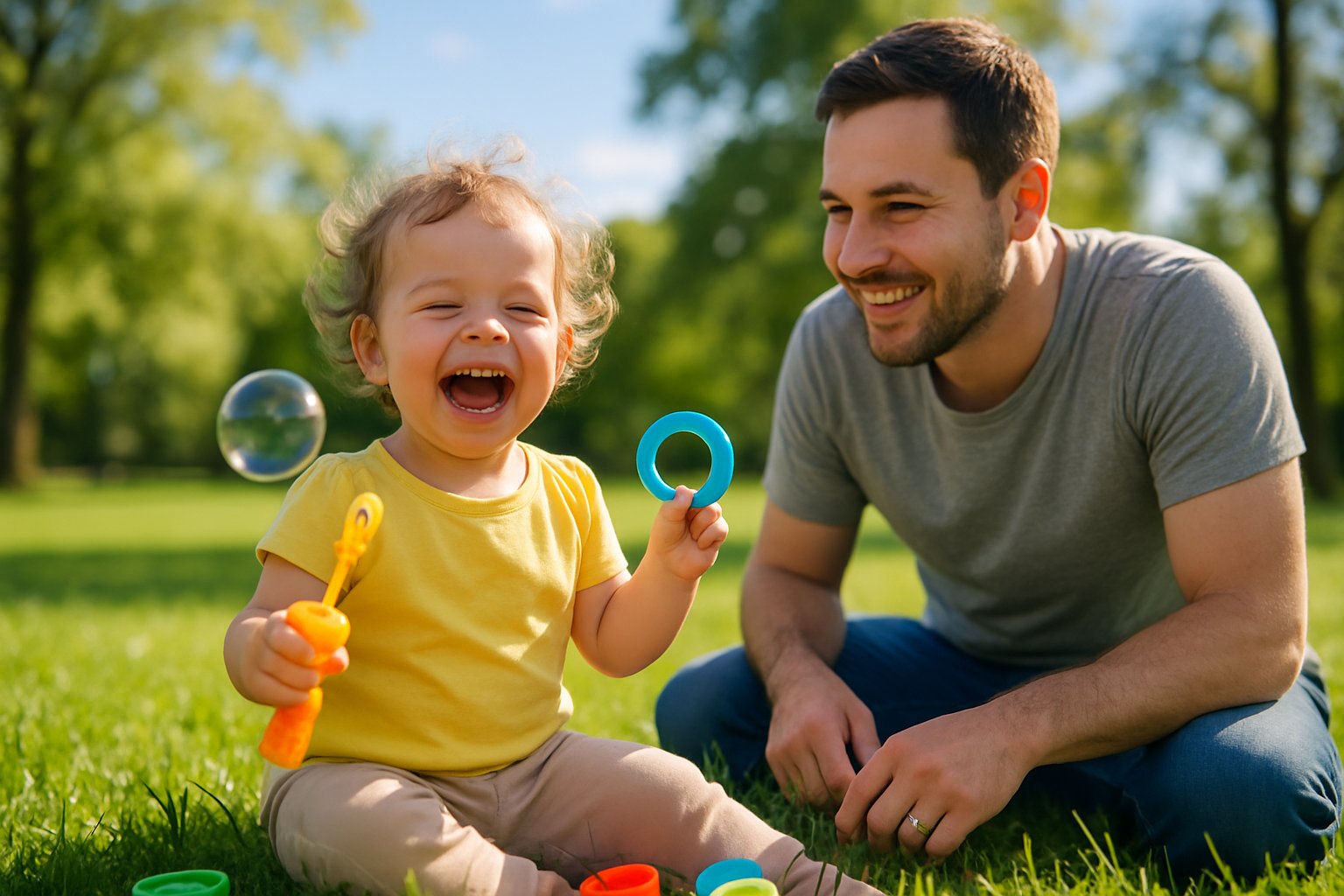
According to parents surveyed across multiple studies, activities like outdoor water play, family cooking sessions, and creative art projects consistently rank as the top joy-producing experiences for toddlers. These activities engage multiple senses and create opportunities for meaningful interaction between children and caregivers.
The science behind toddler happiness reveals that children who experience joy regularly develop stronger relationships, perform better academically, and show greater emotional regulation. Understanding which specific activities generate the most positive responses helps parents make informed choices about how to spend quality time with their little ones.
Key Takeaways
- Simple activities combining movement, creativity, and family connection bring toddlers more lasting joy than expensive toys or elaborate entertainment.
- Regular joyful experiences help toddlers develop better emotional regulation, stronger relationships, and improved learning abilities.
- Parents play the most important role in creating happiness by modeling positive emotions and engaging actively in their child’s daily activities.
Understanding the Toddler Happiness Index
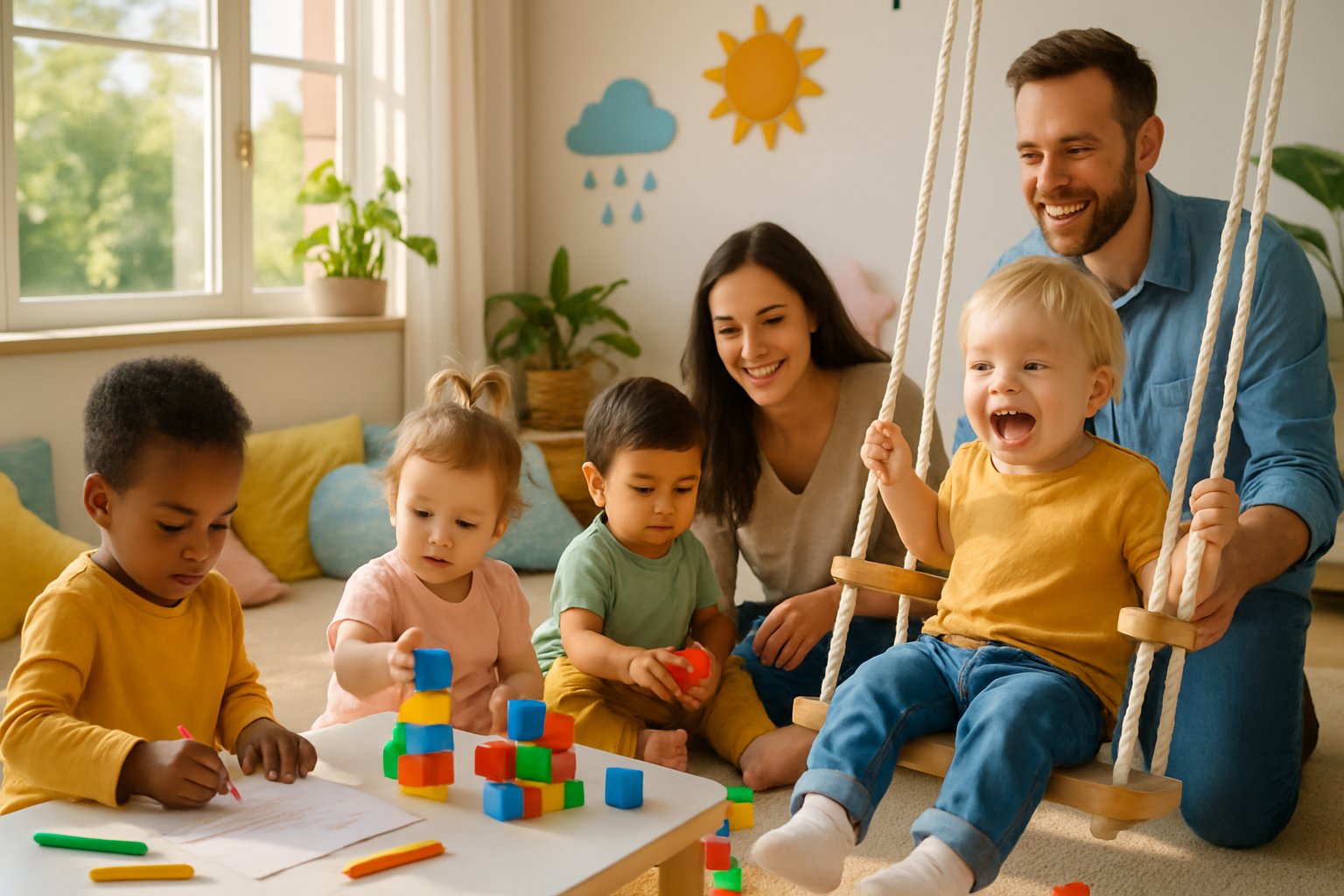
The Toddler Happiness Index represents a systematic approach to measuring joy and contentment in young children aged 1-3 years. Parents use specific indicators and behaviors to track their child’s emotional well-being and identify activities that generate the most positive responses.
What Is the Toddler Happiness Index
The Toddler Happiness Index is a measurement tool that helps parents identify which activities and experiences create the most joy for their young children. This index focuses on observable behaviors and emotional responses in toddlers during different activities.
Parents track specific happiness indicators including spontaneous laughter, eager participation, and requests to repeat activities. The index measures both immediate joy responses and sustained engagement over time.
Unlike adult happiness measures, the index relies on behavioral cues rather than verbal feedback. Toddlers express happiness through physical movement, facial expressions, and vocal sounds.
Research on toddler emotional development shows that happiness in children manifests differently than in adults. Young children display immediate, authentic reactions to experiences.
The index categorizes activities into high-joy, moderate-joy, and low-joy categories. This helps parents prioritize activities that consistently produce positive emotional responses in their children.
How Parents Measure Joy in Young Children
Parents use several observable behaviors to measure happiness in toddlers during different activities. These measurements focus on immediate reactions and sustained engagement patterns.
Key happiness indicators include:
- Spontaneous smiling and giggling
- Physical excitement like jumping or clapping
- Verbal expressions of delight
- Requests to continue or repeat activities
- Active participation without prompting
Parents often track the duration of engagement during activities. Toddlers typically spend more time on activities that bring them genuine joy compared to neutral or unpleasant experiences.
Body language provides crucial measurement data. Happy toddlers display open postures, animated movements, and approach behaviors toward preferred activities.
Social-emotional activities for toddlers reveal that children show consistent patterns in their joy responses. Parents learn to recognize their individual child’s unique happiness signals.
Some parents use simple rating systems, scoring activities from 1-5 based on their toddler’s enthusiasm level. Others maintain informal mental notes about which experiences generate the strongest positive reactions.
Benefits of Tracking Toddler Happiness
Monitoring happiness levels helps parents make informed decisions about daily activities and routines. This tracking leads to more positive interactions and reduced behavioral challenges.
Parents who track joy patterns report improved parent-child relationships. They spend more time on activities their toddler genuinely enjoys, creating positive shared experiences.
Key benefits include:
- Reduced tantrums through activity selection
- Improved cooperation during daily routines
- Enhanced bonding through shared enjoyable experiences
- Better developmental outcomes through engagement
Understanding happiness patterns helps parents identify their child’s learning preferences. Activities that promote toddler development become more effective when children are genuinely engaged.
Tracking also reveals individual personality traits and interests early. This information guides future activity choices and educational approaches.
Parents gain confidence in their parenting decisions when they can identify what works best for their specific child. This reduces guesswork and increases successful interactions.
The data helps parents communicate more effectively with caregivers and teachers. They can share specific information about activities that bring their toddler the most happiness.
Key Activities That Spark Joy for Toddlers
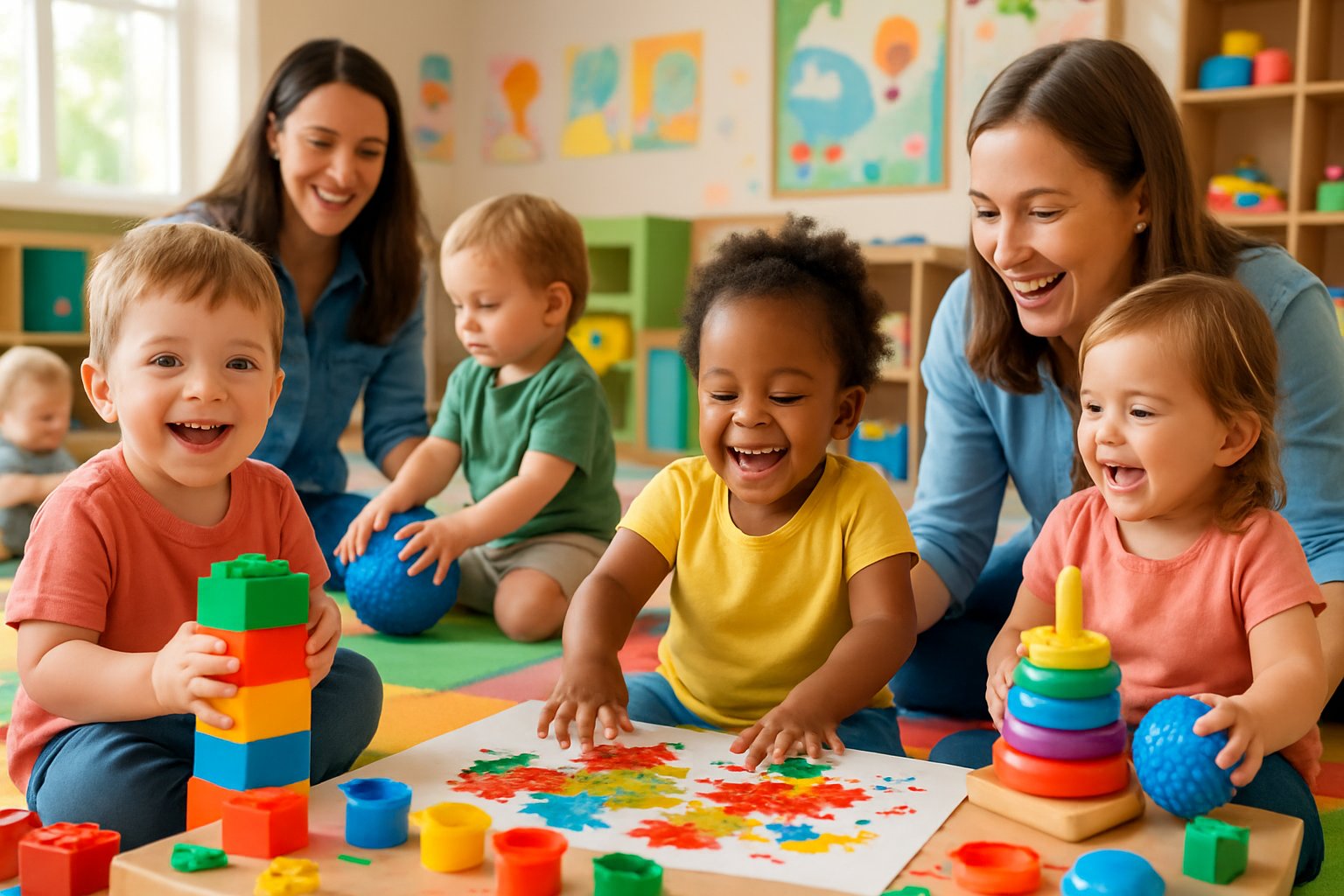
Toddlers find the most happiness in activities that engage their senses, allow for creative expression, and give them opportunities to move their bodies. These joy-sparking experiences support healthy child development while keeping little ones entertained and engaged.
Creative Arts and Hands-On Projects
Art activities consistently rank among the top happiness boosters for toddlers. Foil painting creates unique textures that fascinate young children as they watch paint move differently across metallic surfaces.
Simple crafts using everyday materials bring tremendous joy. Cotton ball activities, where toddlers stick fluffy balls onto contact paper to create shapes, combine sensory play with creativity.
Popular Creative Activities:
- Painting with unconventional tools like cotton pads or sponges
- Making edible jewelry with cereal and string
- Creating bubble wrap art by stepping on paint-covered bubbles
Sensory bins filled with rice, pasta, or safe materials let toddlers explore textures freely. These activities promote happiness by giving children control over their environment while developing fine motor skills.
Hand-painting remains a classic favorite. The tactile experience of paint on fingers creates pure delight for most toddlers. Adding soap to create bubble foam painting doubles the sensory enjoyment.
Physical Play and Movement
Active play generates immediate joy in toddlers while supporting their physical development. Building block obstacle courses using large, lightweight blocks create jumping and stepping challenges that toddlers love.
Dancing to music ranks as one of the most reliable happiness generators. Toddlers naturally move to rhythms and express themselves through movement.
High-Joy Movement Activities:
- Jumping over soft obstacles
- Playing with balls of different sizes
- Simple yoga poses designed for children
- Chase games in safe spaces
Water play consistently brings smiles to toddler faces. Whether splashing in a shallow bin or transferring water between containers, the sensory experience promotes happiness naturally.
Playground equipment designed for their age group provides structured physical challenges. Slides, small climbing structures, and spring riders offer appropriate thrills that build confidence.
Outdoor Exploration and Nature Activities
Nature provides endless sources of wonder for toddlers. Collecting leaves, rocks, or flowers satisfies their natural curiosity while promoting happiness through discovery.
Garden exploration lets toddlers touch different plant textures safely. They delight in watering plants with small containers and watching water soak into soil.
Engaging Outdoor Experiences:
- Sidewalk chalk drawing on driveways
- Bubble chasing in open spaces
- Nature scavenger hunts for specific items
- Playing in sandbox or dirt areas
Fresh air and natural light boost mood naturally. Even simple activities like throwing soft balls in the yard create joy through movement and achievement.
Weather exploration fascinates toddlers. Feeling raindrops, watching clouds move, or stepping on crunchy autumn leaves connects them to their environment in meaningful ways.
Ice activities work well outdoors too. Frozen treasure hunts where small toys are frozen in ice blocks create excitement as toddlers work to free the hidden objects using warm water or salt.
Social Connections and Family Involvement
Toddlers find genuine happiness through meaningful connections with peers during playdates and through quality bonding moments with family members. Community activities and group experiences further boost their emotional well-being by providing structured social learning opportunities.
Playdates and Peer Interactions
Playdates create natural opportunities for toddlers to practice essential social skills while experiencing pure joy. Children learn to share, take turns, and navigate friendships through unstructured play with peers.
Key playdate activities that maximize happiness:
- Free play with toys and games
- Simple group activities like hide-and-seek
- Creative play with blocks or art supplies
- Outdoor exploration and physical games
Research shows that social-emotional skills help children build healthy relationships and manage emotions effectively. Regular peer interactions teach empathy naturally as toddlers observe and respond to other children’s feelings.
Parents report that their toddlers show increased confidence after positive playdate experiences. These interactions help children practice problem-solving when conflicts arise over toys or game rules.
Optimal playdate conditions include:
- Small groups of 2-3 children
- Familiar, safe environments
- Adult supervision without over-involvement
- Age-appropriate activities lasting 1-2 hours
Quality Family Time and Bonding
Family bonding activities consistently rank among the top happiness boosters for toddlers. Simple, everyday moments often create the strongest emotional connections between parents and children.
Family engagement activities that promote happiness include cooking together, reading bedtime stories, and completing household tasks as a team. These shared experiences build trust and security.
High-impact family activities:
- Reading together: Builds vocabulary and emotional understanding
- Cooking simple recipes: Teaches cooperation and following directions
- Garden projects: Connects children with nature and accomplishment
- Family walks: Encourages physical activity and conversation
Child psychology experts note that consistent family routines create emotional stability. Toddlers thrive when they can predict and participate in regular family traditions.
Parents should focus on being fully present during these interactions. Putting away phones and giving complete attention amplifies the happiness benefits for both parent and child.
Participating in Community and Group Activities
Structured community activities expose toddlers to diverse social situations while building confidence. Library story times, music classes, and playground groups offer controlled environments for social learning.
Popular community activities that promote happiness:
| Activity Type | Benefits | Typical Duration |
|---|---|---|
| Story time | Language development, group listening | 30 minutes |
| Music classes | Rhythm, movement, following instructions | 45 minutes |
| Playground groups | Physical skills, informal socializing | 1-2 hours |
| Art workshops | Creativity, fine motor skills | 30-60 minutes |
These activities help toddlers understand group dynamics and social expectations. Children learn to wait their turn, follow group instructions, and celebrate others’ successes.
Interactive social-emotional activities in group settings teach empathy and communication skills. Toddlers observe how other children handle emotions and social challenges.
Regular participation builds anticipation and excitement. Many parents notice their toddlers asking about upcoming community activities throughout the week, showing genuine enthusiasm for these social experiences.
Encouraging Emotional Well-Being Through Everyday Habits
Simple daily practices can significantly impact a toddler’s emotional health and happiness levels. Parents who focus on validating their child’s feelings, creating consistent routines, and introducing basic mindfulness concepts often see improvements in their toddler’s overall mood and behavior.
Validating Emotions and Building Resilience
Parents build their toddler’s emotional strength by acknowledging all feelings as normal and acceptable. When a child expresses anger, sadness, or frustration, caregivers can say “I see you’re feeling upset” rather than dismissing these emotions.
Emotional well-being involves helping children cope with their own emotions while maintaining physical and mental balance. This validation teaches toddlers that their feelings matter.
Key validation strategies include:
- Using emotion words to label feelings
- Staying calm during emotional outbursts
- Offering comfort without fixing everything immediately
- Teaching simple coping methods like deep breathing
Child psychology research shows that toddlers who receive emotional validation develop stronger self-regulation skills. They learn to express feelings in healthy ways rather than through tantrums or withdrawal.
Parents can model emotional responses by sharing their own feelings appropriately. Saying “I feel frustrated when toys aren’t put away” demonstrates healthy emotion expression.
Establishing Predictable Routines
Consistent daily schedules create emotional security for toddlers. When children know what comes next, they experience less anxiety and more happiness throughout their day.
Building healthy habits requires providing positive interactions and teaching emotion expression. Routines support this emotional development naturally.
Essential routine elements:
- Regular meal and snack times
- Consistent bedtime rituals
- Predictable wake-up activities
- Designated play periods
Toddlers thrive when they can anticipate daily events. This predictability allows them to feel in control of their environment.
Even small routines like washing hands before meals or reading three books before bed promote happiness in children. Parents should maintain flexibility within structure.
If the usual park visit gets rained out, explaining the change and offering an alternative helps toddlers adapt while keeping security.
Implementing Mindfulness and Gratitude Practices
Simple mindfulness activities help toddlers notice their surroundings and feelings without judgment. These practices don’t require special equipment or extensive time commitments.
Mindfulness activities can improve toddlers’ mental and emotional well-being when adapted for their developmental leve